
Sihanoukville’s Stalled Buildings: What the $8.4 Billion Programme Covers
Separate Sihanoukville’s cumulative investment programme from October restart reports, and understand the project checks that matter to property buyers.
What happened
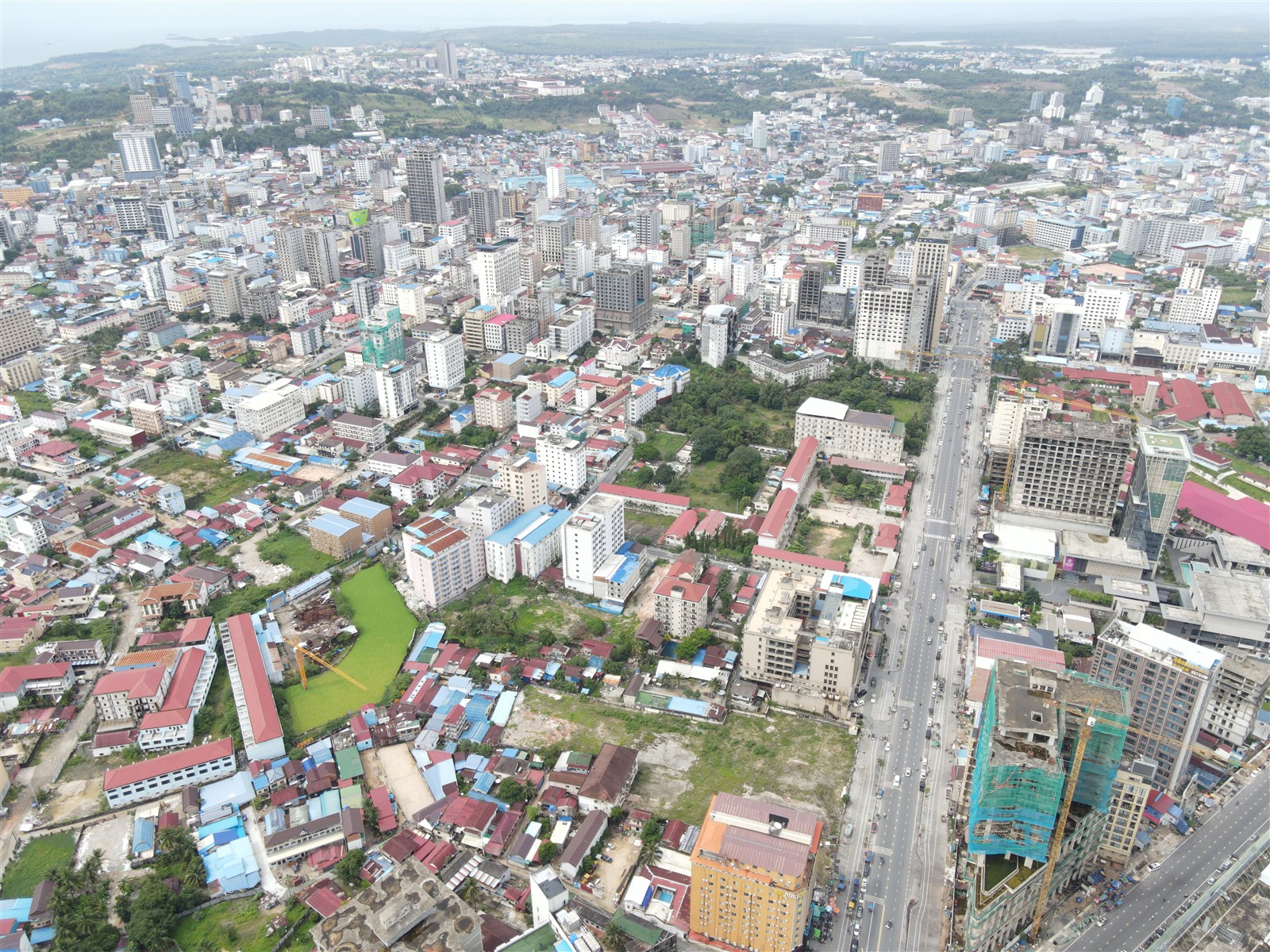
October reporting has renewed attention on Sihanoukville’s unfinished developments. Kampuchea Thmey reported on 6 October that Governor Mang Sineth said more than 100 stalled projects had resumed construction. This is an attributed media report; Cambodia Deals has not independently inspected those sites.
The investment total has an earlier official basis. AKP’s 22 July report, sourced to the Ministry of Economy, records incentives and administrative support for 491 projects with estimated capital of $8.4 billion from 2024 through the second quarter of 2026. It is therefore a cumulative programme figure, not a fresh October injection of cash.
Read the original source ↓Key facts
- Programme scope
- The July official account divides the 491 projects into 216 involving stalled buildings, 235 new or non-stalled projects, 25 expansions and 15 existing projects.
- October reporting
- Kampuchea Thmey quotes approximately $8.42 billion and more than 100 restarted projects. Its report does not establish that the programme’s full capital value has been spent.
- Different milestones
- Incentive approval, construction restart, completion and occupation are separate stages.
Why it matters to property and investors
The following implications are Cambodia Deals analysis.
A restart deserves a closer look
For a buyer who previously ruled out an unfinished building, sustained construction can justify a fresh inspection. Ask for dated evidence of work, the responsible contractor, an updated programme and an explanation of funding for the remaining stages. A crane on site is useful evidence of activity, but it does not answer every delivery question.
More supply also means more competition
If several buildings become usable, prospective tenants may gain more choice. A rental case should examine competing completed units, practical amenities and the price tenants actually pay. A construction recovery does not by itself demonstrate a shortage of homes or support a premium asking price.
OUR LOCAL PERSPECTIVE
Cambodia Deals analysis
Cambodia Deals analysis: the useful distinction is between a policy programme and an individual purchase. Establish exactly which entity owns the project, who is selling the unit, and whether the documents and payment instructions match. Obtain independent professional review before committing funds.
For a resumed development, request written clarification of revised specifications, outstanding works and contractual handover terms. Compare the proposed price with available completed alternatives, including service charges and the cost of waiting. A lower purchase price can be offset by a longer period without use or rental income.
Keep the financial case workable without assumed capital appreciation. The programme total does not establish transaction prices, occupancy or the resale prospects of a particular apartment.
What to watch next
- Dated official project-level restart and completion updates.
- Evidence of sustained work and delivery against revised schedules.
- Completed competing supply, achieved rents and building-management quality.
Sources
- AKP / Ministry of Economy — programme position through Q2 2026
Published 22 July 2026 · Checked 13 October 2026
Official Khmer report; cumulative period and project categories reviewed 13 October 2026.
- Kampuchea Thmey — governor’s reported construction update
Published 6 October 2026 · Checked 13 October 2026
Secondary reporting, explicitly attributed; original provincial recording not independently reviewed. Reviewed 13 October 2026.