
CAMBODIA PRACTICAL GUIDE
Cambodia Property Investment Guide 2026
A practical starting point for assessing Cambodian property: establish what you can own, verify the asset, calculate the full costs and test the income before paying a deposit.
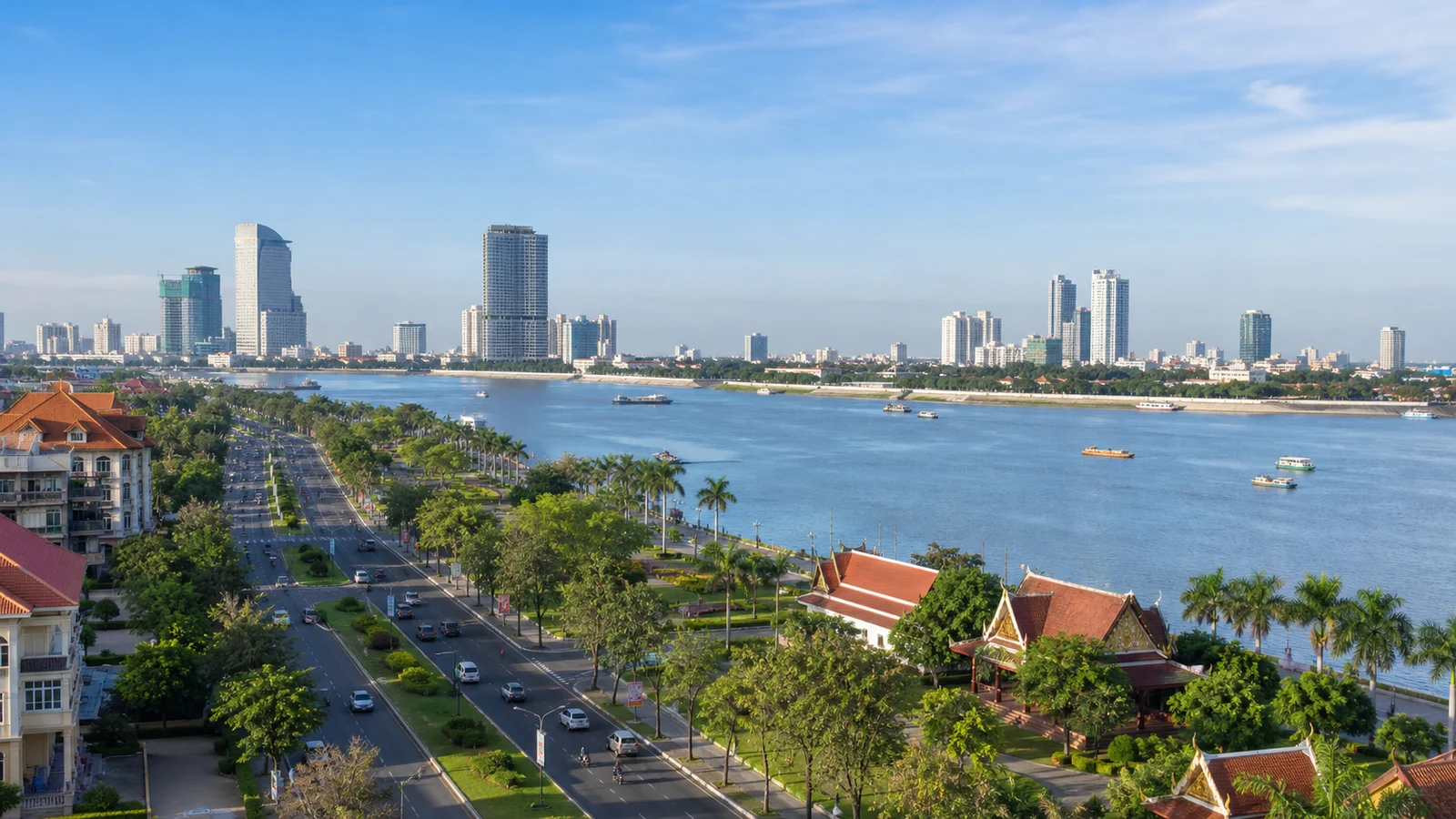
1. Read the market context carefully
Confirmed context: the World Bank’s 9 June 2026 economic update described a property sector downturn alongside strong exports and foreign investment. This is a dated national assessment, not a valuation of a particular building or province.
Cambodia Deals analysis: investment approvals and infrastructure milestones can help identify places to research. They do not establish completed projects, occupied buildings, achievable rent or future resale prices. Assess a purchase on its present legal position, usable access and realistic finances, with no assumed price increase.
This guide is general investor education, reviewed on 10 September 2026. The research questions and illustrative calculation below are our editorial guidance. Obtain independent Cambodian legal and tax advice for the actual buyer, property and transaction.
2. Establish what you can legally acquire
Land ownership is generally restricted to Cambodian nationals and qualifying Cambodian legal entities. An apartment purchase is a different legal interest from ownership of the underlying land; a foreign buyer should not treat every apartment as eligible.
BNG Legal’s July 2024 explanation of the co-owned building rules states that qualified foreigners may own private units above the ground floor, subject to a cap of 70% of the total surface area of all private units. The limit concerns area, not simply the number of apartments. Have current eligibility, the building’s registration and available foreign quota independently confirmed.
Request the proposed title and confirm whether a separate registered unit title exists or is only promised. If offered a lease, company or trust arrangement, obtain advice on the actual rights, registration, control, ongoing fees, expiry and exit. A structure’s name does not establish that it is suitable or secure. Do not treat a nominee’s title as your own ownership.
3. Match the property to a defined purpose
Compare specific neighbourhoods and assets rather than ranking whole cities by promised return. For Kandal, Takeo, Kampot and Kep sites discussed in canal coverage, investigate the exact parcel, confirmed project alignment, usable connections and any restrictions. Province-level inclusion in a route does not show that an individual parcel will benefit.
- A home: Test your actual commute, access to services, noise, building management and total monthly living costs. Visit at different times and consider renting first if you do not yet know the area.
- A rental: Define the likely tenant, required furnishing and lease length. Ask for evidence of achieved rents, occupancy, collection and tenant turnover for genuinely comparable units.
- Land or a business site: Confirm lawful ownership or use rights, permitted use, boundaries, drainage, utilities and vehicle access. Budget the cost of making the site usable and the possibility of no income while holding it.
4. Verify the asset before the deposit
- Identify the seller and property: Reconcile the parcel or unit identifier, location, boundary plan and ownership papers. Have the seller’s identity, authority and required consents checked.
- Investigate title and obligations: Ask an independent lawyer to verify registered rights, mortgages or other interests, disputes, transfer requirements and outstanding obligations through the relevant authorities.
- Inspect condition and access: Use a qualified surveyor or engineer where appropriate. Check lawful access, drainage, flood exposure, utilities, defects and the building’s common areas.
- Review the complete agreement: Resolve the price, included items, payment recipient, investigation conditions, refund terms, deadlines, default remedies and controlling language before signing or paying.
- Complete registration and handover: Agree the documented completion process with your adviser, including payments, tax evidence, registration, keys, inspection findings and responsibility for outstanding charges.
5. Build a full purchase and holding budget
Ask for a written, itemised estimate for your transaction. A seller’s advertised price is only one input. Avoid applying one headline percentage to every purchase: the taxable basis, applicable relief, payer and procedural requirements need current confirmation.
The General Department of Taxation published a real-estate stamp-duty relief notification on 4 August 2026. Its existence does not establish that your purchase is exempt. Have a tax adviser check the original notice, subsequent rules, eligibility and required evidence before relying on relief. This guide does not calculate your tax liability.
- Acquisition: Include the price, applicable transfer taxes, registration charges, independent legal and technical fees, agreed agency costs, bank charges and financing costs. Establish which party pays each item in writing.
- Making it usable: Allow for repairs, furniture, appliances, utility connections, deposits and any initial building or management charges.
- Holding and letting: Budget maintenance, common-area fees, insurance where available, vacancy, letting commissions, management and applicable property or rental-income taxes. Ask how tax residency and ownership structure affect obligations.
- Selling: Model selling expenses, relevant tax obligations at the intended sale date, mortgage discharge costs and a longer marketing period. Keep a cash reserve beyond the acquisition budget.
6. Calculate income after vacancy and expenses
Illustration only — these figures are invented to show the method, not Cambodian market rents, tax estimates or an investment forecast.
Suppose a property costs US$100,000 and other acquisition and setup costs total US$10,000. Rent of US$500 per month would produce US$6,000 with 12 paid months: a headline gross yield of 6% on the purchase price.
With only 10 paid months, collected rent is US$5,000. Subtract US$1,500 of assumed annual operating expenses and the result is US$3,500. Dividing by the US$110,000 total initial outlay gives about 3.18%, before financing and income taxes. The expense allowance is hypothetical; replace it with a complete property-specific budget.
Stress test fewer occupied months, lower rent and a major repair together. With eight paid months and the same US$1,500 costs, income falls to US$2,500, or about 2.27% before financing and income taxes. Some costs change with occupancy; others continue even when the unit is empty.
Request actual lease and expense evidence where available. For a rental guarantee, examine who owes the payments, their financial capacity, exclusions, duration and what happens when the guarantee ends.
7. Separate completed property from off-plan risk
For a completed unit, inspect the actual property and verify its title, condition, service charges, management rules and rental history. A show unit or another apartment’s photographs are insufficient evidence of the unit being sold.
For off-plan property, have the developer’s rights, relevant approvals, financing and contract reviewed independently. Identify construction milestones, payment triggers, completion definition, title-delivery requirements, defect remedies and the consequences of delay. Check how a refund or other remedy could actually be enforced.
Model delayed possession and no rental income during that delay. A discount or advertised guarantee does not remove construction, counterparty or registration risk.
8. Plan the exit before entering
Identify who could realistically buy the property from you and what documents they would require. Compare completed transactions where evidence is available; asking prices alone do not establish a readily achievable exit value.
If borrowing, test debt payments during vacancy, rate changes and refinancing difficulty. If your savings or income are in another currency, test exchange-rate movements against the purchase, expenses and sale proceeds.
Keep sufficient liquidity to avoid depending on a quick resale. A property can meet a long-term purpose and still be unsuitable if the buyer cannot fund an extended period of low income.
9. Keep a decision file and revisit the evidence
Retain the property identifiers, dated ownership checks, site inspection, independent advice, signed contract, itemised costs and conservative income model. Record unanswered questions and the person responsible for resolving them.
Update infrastructure research when official notices establish a new milestone. Update rental assumptions when actual leases or competing supply change. Proceed only when the specific asset and your financial position support the decision; the news alone cannot do that.
Cambodia Deals and the local 88 Property team can help you compare current listings and arrange viewings. Independent legal, tax and technical reviews are separate parts of your purchase process.
PRACTICAL ANSWERS
FREQUENTLY ASKED QUESTIONS
Can a foreign buyer own any apartment in Cambodia?
No. Eligibility depends on the unit and co-owned building requirements, including floor and foreign-ownership limits. Have the specific unit title, registration and remaining quota checked independently.
Is an advertised rental yield the amount I will receive?
Not necessarily. Establish whether it is gross, projected or guaranteed, then deduct vacancy, operating costs, financing and applicable taxes. Read any guarantee’s terms and assess the payer.
Does new infrastructure mean property prices will rise?
No price increase is established by an announcement. Check the project milestone and the asset’s access, restrictions, demand, costs and achievable income separately.
INFORMATION REVIEW
AUTHORITATIVE SOURCES
Official and primary sources take priority. Time sensitive immigration, employment, economic, banking, and business information should be confirmed again before a decision.