
CAMBODIA PRACTICAL GUIDE
Buying Near Major Infrastructure in Cambodia: What to Check Before Paying a Deposit
A canal, road or transport project can change a location. Use this checklist to investigate the property itself before relying on an infrastructure announcement or paying a deposit.
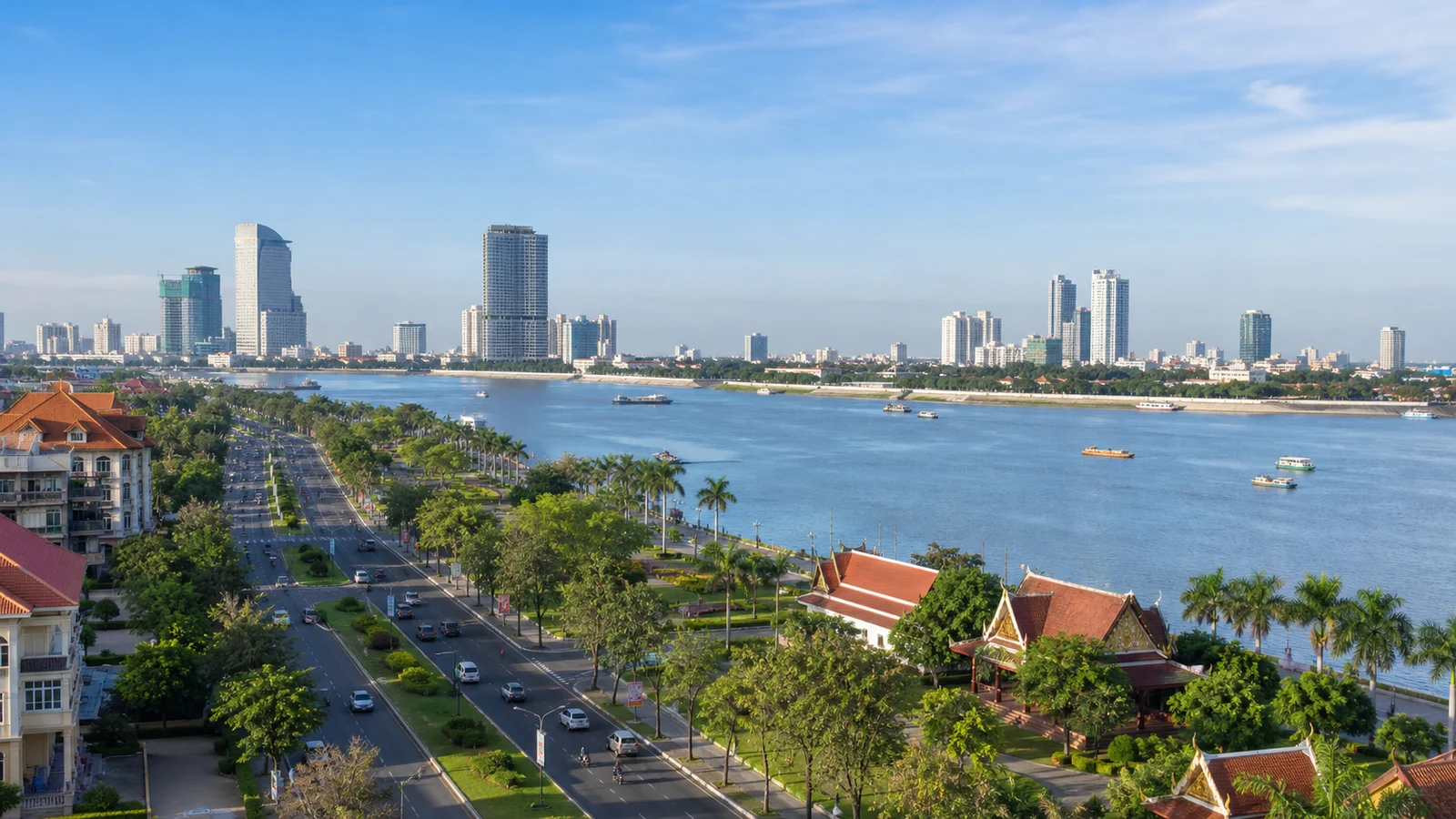
Start with the property, then assess the infrastructure
This is Cambodia Deals’ practical research checklist, not a legal opinion or confirmation that a particular property is safe to buy. Use it to organise questions for your independent Cambodian lawyer, surveyor and relevant authorities. Requirements depend on the property and buyer; have them confirmed before committing funds.
An announcement, financing agreement, construction start and operating facility are different milestones. The Funan Techo Canal financing story illustrates why a signed agreement should not be treated as completed works or evidence of higher property prices. The source announcements establish their reported milestones; the checks in this guide are our practical recommendations.
1. Identify the exact property and the seller
- Parcel or unit: Request the full address, parcel or unit identifier, location coordinates, boundary plan and current ownership documents. Arrange an independent site visit and reconcile the physical location with the documents.
- Authority to sell: Have your lawyer verify the seller’s identity, ownership and authority, including any company approvals, representation or other required consents. A salesperson’s access to the site does not establish authority to sell it.
- Your eligibility: Ask your lawyer to confirm whether you can lawfully acquire the proposed interest and how it will be registered. Do not assume that a structure offered in a sales presentation is suitable for your nationality or circumstances.
2. Check title, restrictions and land-use information
Ask for current checks through the relevant land administration and an independent professional. MLMUPC’s official services directory links to cadastral information, mortgage-related services, construction services and its legal library. An online result can be one input; it does not by itself resolve every dispute, boundary or contractual issue.
- Confirm registered ownership, the nature of the title, mortgages or other recorded interests, and any known disputes affecting transfer or use.
- Check boundaries, permitted use, required permissions and any relevant canal, road, drainage or utility reservation against current official information.
- Ask whether the parcel is affected by acquisition or compensation notices. Obtain the relevant documents; do not assume a compensation entitlement, amount or payment date.
3. Verify the project and usable access
- Locate the latest official project notice and record its date, scope and status. Separate approved plans from proposals, financing from disbursement, and groundbreaking from an opening notice.
- Have the property plotted against the approved alignment and any confirmed access point or terminal. A short straight-line distance does not demonstrate a usable road connection.
- Inspect present access and investigate whether construction could sever or alter it. Confirm lawful access, road width, crossings and suitability for the intended use.
4. Inspect water, utilities and the surroundings
Visit at different times where practical. Ask a qualified surveyor or engineer about drainage, flood exposure, ground conditions and the effect of nearby works. Seek site-specific evidence rather than relying on general claims about a province.
Confirm electricity and water capacity, connection costs, wastewater arrangements, maintenance responsibility, construction noise and expected traffic. For coastal or waterway sites, ask about relevant environmental assessments and water-management requirements. A national announcement cannot settle these questions for a parcel.
5. Test the purchase without a price-rise assumption
- Compare similar properties using achieved transactions or leases where available. Label asking prices as asking prices and establish what is included.
- Budget purchase costs, professional fees, taxes confirmed for your circumstances, repairs, finance, utilities, management, maintenance and vacancy. Use net income rather than a headline gross yield.
- Model a case with no additional income from the infrastructure during your intended holding period. Test delays, lower rent and a slower resale. Decide whether the property still meets your purpose.
6. Resolve deposit terms before transferring money
Ask your independent lawyer to review the complete reservation or sale documents before you sign or pay. Do not assume a deposit is refundable because the final sale contract has not yet been signed.
- Put the property identifier, agreed price, payment schedule, recipient and seller’s authority in writing.
- Specify the investigation period, outstanding documents, conditions to proceed, and what happens if checks fail or documents are not supplied. Have refund conditions, deadlines and deductions explained clearly.
- Confirm which language governs, the procedure for resolving disputes and the consequences of delay or default. Obtain a translation you understand.
- Independently verify payment instructions and keep the signed documents and receipts. Pause if the recipient changes unexpectedly, documents conflict or essential answers are withheld.
Keep a decision file
Before proceeding, keep the site identification, verified ownership information, independent reviews, project notices, access evidence, cost model and signed deposit conditions together. Record the date and source of each item and who still needs to answer an outstanding question.
The 88 Property team can help with current listings, location information and viewing arrangements. Independent legal and technical checks remain separate parts of the buyer’s decision.
PRACTICAL ANSWERS
FREQUENTLY ASKED QUESTIONS
Does a government project announcement make nearby property a good investment?
It provides context, but does not establish the value, permitted use, condition or achievable income of an individual property. Investigate those separately.
What should I do if the seller says I must pay today?
Ask for the written terms and time for independent review. If essential ownership, access or refund questions remain unresolved, pause the payment decision.
Can an online title check replace independent review?
Treat it as one source of information. Ask your lawyer and surveyor what further checks are needed for the title, boundaries, seller, restrictions and transaction.
INFORMATION REVIEW
AUTHORITATIVE SOURCES
Official and primary sources take priority. Time sensitive immigration, employment, economic, banking, and business information should be confirmed again before a decision.
CONTINUE YOUR RESEARCH